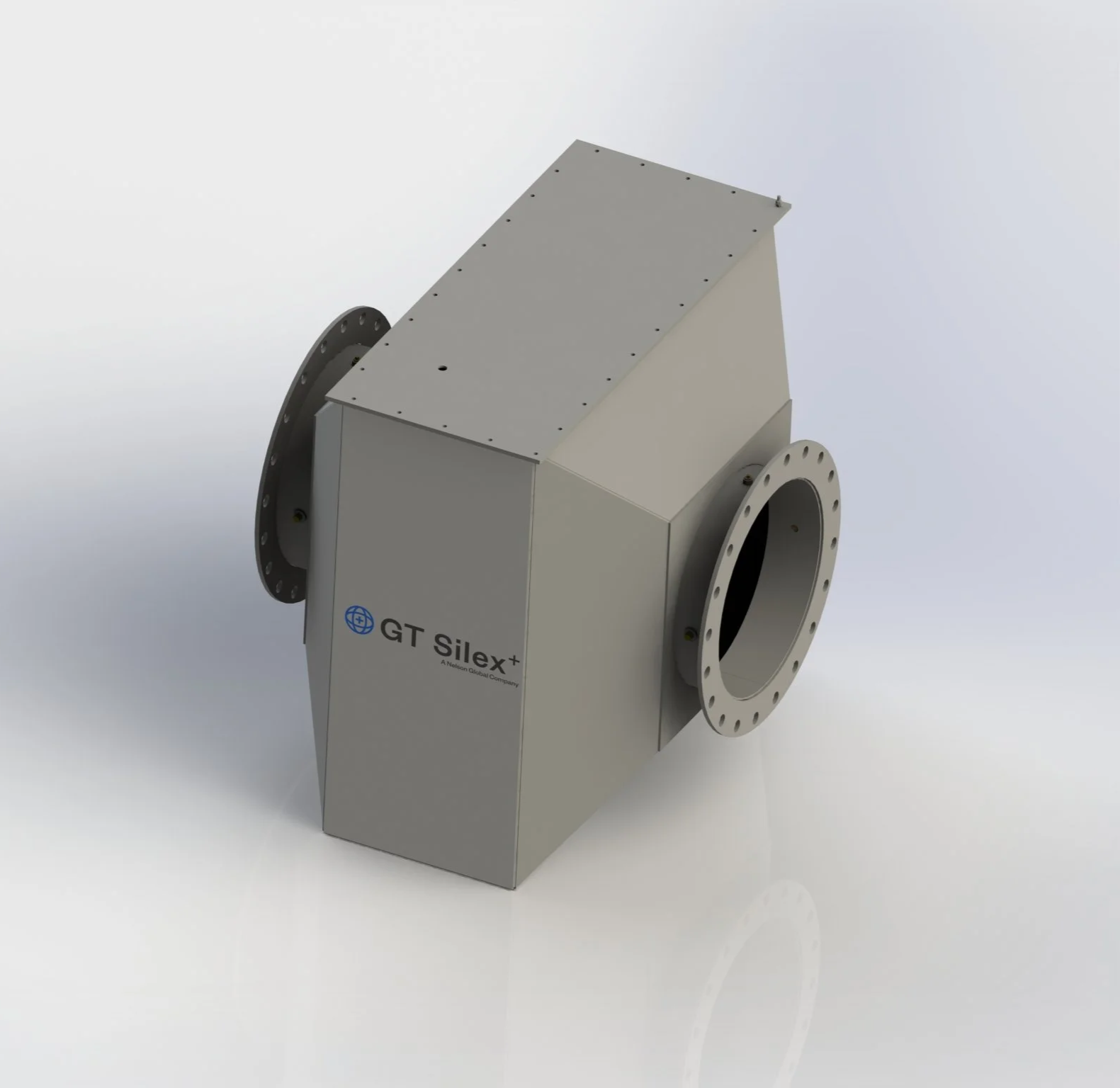
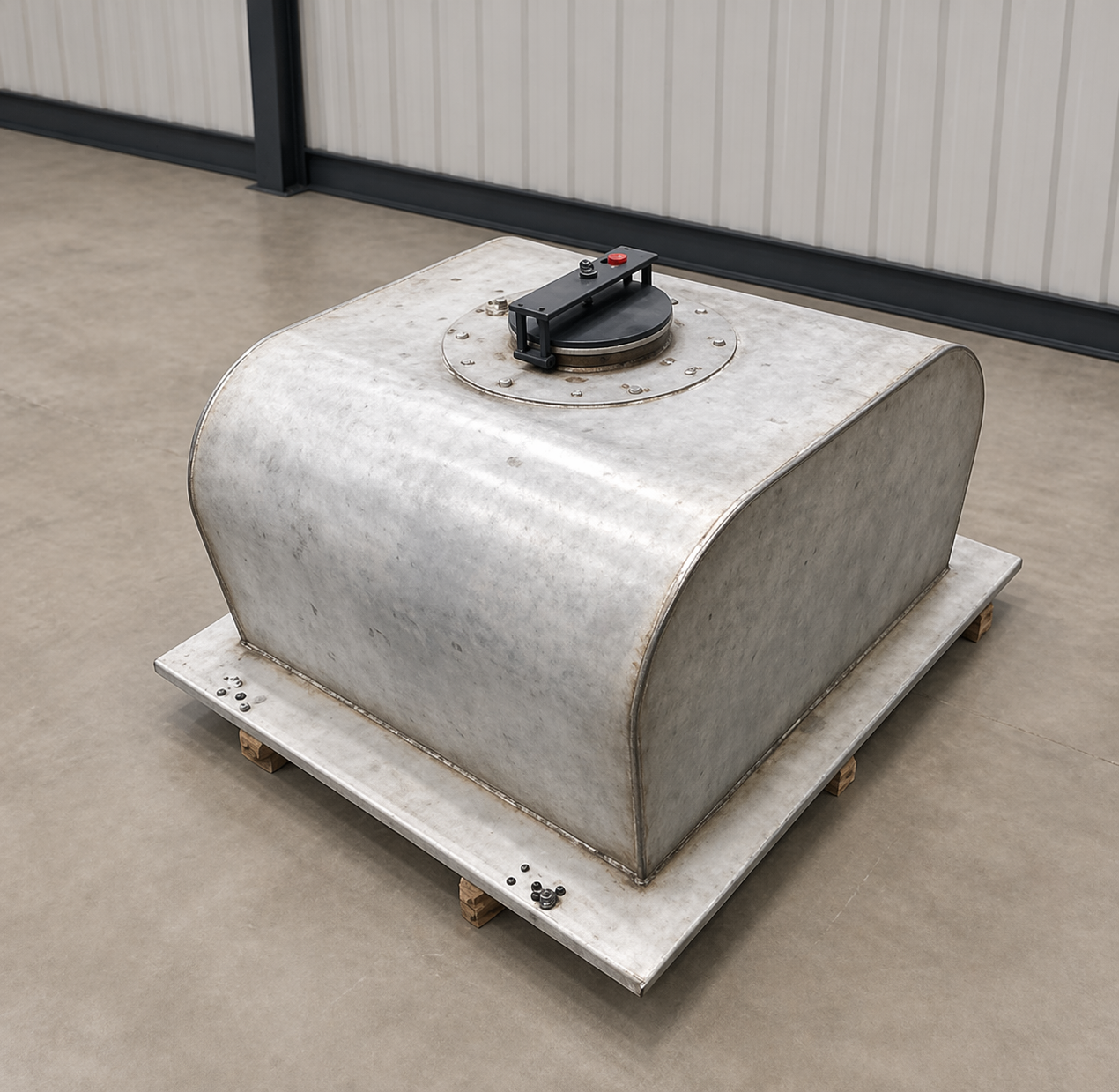
Diesel Oxidation Catalyst (DOC)
Industrial Diesel Oxidation Catalyst (DOC) units oxidize hydrocarbons (HC) and carbon monoxide (CO) in stationary engine and power generation exhaust systems, while helping control odor and visible emissions, delivering simple, reliable emissions control with long service life and low maintenance requirements.
Where They’re Used
Standalone for lighter-duty applications or paired with DPF or SCR systems for more stringent regulations, including:
Stationary power generators in urban areas
Air quality non-attainment zones
Industrial sites with permit limits
Benefits
Simple, reliable design with long service life
Strong performance in continuous or variable-load conditions
Low maintenance requirements
When DOC is Needed
To Meet Air Emissions Regulations: Limits on CO, HC/VOCs, diesel odor, and visible smoke.
For Emergency or Prime Power Generators in Regulated Areas: Hospitals, data centers, airports, or sites under EPA, EU, or local environment oversight.
Upstream of DPF: Converts NO to NO₂ for passive regeneration, reduces HC that could foul the filter, and controls exhaust temperature
Reduce Exhaust Odor and Improve Air Quality Near People: Exhaust outlets near buildings, air intakes, or populated areas.
For Fuel Quality or Engine Operation Issues: Low load operation, cold starts, or high HC fuel.
Typical Reductions
CO: 80-90%
HC/VOCs: 50-90%
Odor: Significant
PM (organic fraction only): 20-40%